- - ABC-INDEX - -

8/31/2011

Kubi ningyoo - head dolls - INFO

[ . BACK to DARUMA MUSEUM TOP . ]
- for Yaegakihime 八重垣姫, see below
:::::::::::::::::::::::::::::::::::::::::::::::::::::::::::::::::::::::::::::::::::::::::::::::::::::::::::::::::::::::::::::::::::::::::::::::::::::::::::::::::::::::::::::::::::::::::::: 

Kubi ningyoo 首人形 head dolls
kushi ningyoo 串人形 dolls on a stick
neck dolls / skewer dolls / clay heads on bamboo sticks


tsuchi kubi ningyoo 土首人形 clay dolls on a wood stick
handmade clay head mounted on a stick

These simple dolls date back the the heads for the bunraku puppets.

Many are made from the wood of paulownia (tooso ningyoo 桐塑人形 ). The wood is made to powder (kiriko 桐粉) and then kneaded with natural glue. When the form is done, it is whitened by layering it with gofun whitewash powder. Finally the colors are added.
gofun 胡粉 is made from ground oyster shells or egg shells and special glue; it produces a shining, enameling white color for the surface of clay dolls.

These simple "dolls" where quite popular in the Edo period and made in many parts of Japan. Children could play with them and dress them up as they liked.

. . . . . . . . . . . . . . .

BUNRAKU ningyo - 文楽人形 Bunraku Dolls


The heads of traditional puppets are carved by specialists, while the bodies and costumes are often constructed by puppeteers. The heads can be quite sophisticated mechanically. In plays with supernatural themes, a puppet may be constructed so that its face can quickly transform from a nice lady into that of a fearful demon. Less complex heads may have eyes that move up and down, side to side or close, and noses, mouths, and eyebrows that move.

. . . . . Tongue Out Sanbaso 三番叟
made by Ryoji Chomei 料治朝鳴 (1899-1982)

. Bunraku 文楽. puppet theater

shibai ningyoo 芝居人形 dolls like puppets

. . . . .


Kurama yama 鞍馬山 Kyoto, Mount Kurama dolls

. Painting by Gyumei San .

:::::::::::::::::::::::::::::::::::::::::::::::::::::::::::::::::::::::::::::::::::::::::::::::::::::::::::::::::::::::::::::::::::::::::::::::::::::::::::::::::::::::::::::::::::::::::::: 

horse heads from various temples dedicated to the

. Horseheaded Kannon (Batoo Kannon 馬頭観音) .


Kanazawa kubi uma 金沢の首馬 "horse head" from Kanazawa
Ishikawa prefecture

Ryusen-Ji 竜泉寺首馬 (Aichi, see below)

Kasadera Kannon 名古屋市南区 笠寺観音
笠寺のふく馬
笠寺の首馬
source : kubiuma.htm

. . . . .

he rides alone
on his steckenpferd -
summer heat


:::::::::::::::::::::::::::::::::::::::::::::::::::::::::::::::::::::::::::::::::::::::::::::::::::::::::::::::::::::::::::::::::::::::::::::::::::::::::::::::::::::::::::::::::::::::::::: 

quote
In the book, THE JAPANESE DOLL by Luella Tilton Hart 1952,
the Kubi ningyo is described as follows:
The word "Kubi-ningyo" (neck doll) refers to the little doll or animal heads of clay (the oldest ones were likely carved from wood) on a bamboo stick. The animal type are offered at the tutelary shrines to guard children against intestinal worms, night crying and coughing. These animal heads often represent the twelve Zodiacal signs.
The Anesama kubi ningyo are doll heads on bamboo stick and are used as toy dolls. The girl may wrap bits of cloth or paper around the stick or she may insert the stick end into a homemade body.

There is an amazing resemblance between Kubi Ningyo and small Awaji rod puppet heads used by itinerant puppeteers in rites to ward off evil spirits, illness and misfortune.
Lea Baten points out that Kubi Ningyo were sold as potent souvenirs of an Awaji rod puppet festival or ceremony.
source : lotzdollpages.com

.................................................................................

quote
Hirano Masamichi Is A Modern Japanese Artist
Sculpting Traditional Japanese Dolls in wood,
and wood composition (toso 桐塑 tooso)
source : lotzdollpages.com

tooso ningyoo 桐塑人形
dolls from paulownia wood composition


Click for more photos!

:::::::::::::::::::::::::::::::::::::::::::::::::::::::::::::::::::::::::::::::::::::::::::::::::::::::::::::::::::::::::::::::::::::::::::::::::::::::::::::::::::::::::::::::::::::::::::: 

. . . . . some more types

eto no kubi ningyoo 干支の首人形
head dolls with the zodiac animals

. . . CLICK here for Photos !

.................................................................................

. fûzoku ningyoo 風俗人形 dolls about manners and customs .
Kubi-ningyo with historical figures from various prefectures

.................................................................................

karakuri ningyoo からくり人形 mechanical head doll
They are made in many parts of Japan, with motives of old legends and regional heroes.
Konpira san no bikkuri deko 金毘羅でこ(びっくりでこ)
Kumamoto no obake no kinta のおばけの金太
Tottori no yoozoo 鳥取の要蔵

The heads are made of paper, with a string attached to move the head or eyes, or stick the tongue out.
. . . CLICK here for Photos !

.................................................................................

kisekae ningyoo 着せ替え人形 dolls to change dress
Many of the anesama dolls can be dressed.
Matsuyama no yoroi ningyoo 松山の 鎧人形 dolls wearing armour
(a kind of musha ningyoo 武者人形 warrior doll)
Sendai no oboko 仙台のおぼこ simpleton from Sendai
... see below
. . . CLICK here for Photos !

.................................................................................

otogibanashi kubi ningyoo お伽話首人形
head dolls from fairy tale heros


About the many folk tales of Tono in Iwate, including the water goblin Kappa and the girl ghost 座敷わらし zashiki warashi.
. . . CLICK here for Photos !

. otogibanashi dorei おとぎ話の土鈴 clay bells with motives of legends .

:::::::::::::::::::::::::::::::::::::::::::::::::::::::::::::::::::::::::::::::::::::::::::::::::::::::::::::::::::::::::::::::::::::::::::::::::::::::::::::::::::::::::::::::::::::::::::: 
. . . . . regional head dolls

Aichi
. kushi uma dorei 串馬土鈴 clay bell like a head doll of a horse
Steckenpferd als Tonglocke

. Ryuusenji no kubi uma 竜泉寺首馬 horse head from temple Ryusen-Ji .

Akita
. Nakayama no kushi ko anesama 中山の串コ姉様 elder sister dolls on a stick .

Aomori
. Shitakawahara yaki 下川原焼 clay figures .

Chiba
. Shimofusa kubi ningyoo 下総首人形 head dolls .
of the 12 zodiac animals

Fukushima
. Haramachi odoke 原町おどけ funny head dolls .

Iwate
. Hanamaki kubi ningyoo 花巻首人形 head dolls .
gonin kashira 五人かしら set of five heads

:::::::::::::::::::::::::::::::::::::::::::::::::::::::::::::::::::::::::::::::::::::::::::::::::::::::::::::::::::::::::::::::::::::::::::::::::::::::::::::::::::::::::::::::::::::::::::: 

Kagawa


Konpira deko 金比羅でこ head dolls from Konpira san


Takamatsu kubi ningyoo 高松首人形 from Takamatsu town

. Folk Toys from Kagawa - Takamatsu .

:::::::::::::::::::::::::::::::::::::::::::::::::::::::::::::::::::::::::::::::::::::::::::::::::::::::::::::::::::::::::::::::::::::::::::::::::::::::::::::::::::::::::::::::::::::::::::: 

Kagoshima
. Satsuma kubi ningyoo 薩摩首人形 head dolls .

Kyoto
. Kurama kubi ningyoo くらま首人形 head dolls .
from the Mount Kurama legends

Miyagi
. oboko おぼこ head-doll .

Nagano
. kushi tenjin 串天神 Tenjin sama on a stick .

Niigata
. Noroma Ningyo 野呂間 puppets of simpletons .
Sekkyo Ningyo 説教人形 puppets of preachers
Bunya Ningyo 文弥人形 puppets of storytellers
Sado Island 佐渡島

Oita
. ichibun ningyoo 一文人形 head dolls with one letter .
柞原八幡宮 Yusuhara Hachimangu, Hamanoichi 浜の市
. kideko, ki deko 木でこ head made from wood / 大友人形 Otomo dolls . .
- Beppu

Shizuoka
. Ichiron san no kubi ningyoo いちろんさんの首人形
head dolls made by Ichiron san .


Tochigi
. Nasu kushi deko 那須串人形 head dolls
..... 七転八起の達磨さん seven Daruma san

Tokushima
. Awa kubi ningyoo 阿波首人形 head dolls from Awaji Island .
from the Awaji Joruri Puppet Theater

:::::::::::::::::::::::::::::::::::::::::::::::::::::::::::::::::::::::::::::::::::::::::::::::::::::::::::::::::::::::::::::::::::::::::::::::::::::::::::::::::::::::::::::::::::::::::::: 


. . . CLICK here for Photos !

. Reference .

:::::::::::::::::::::::::::::::::::::::::::::::::::::::::::::::::::::::::::::::::::::::::::::::::::::::::::::::::::::::::::::::::::::::::::::::::::::::::::::::::::::::::::::::::::::::::::: 

- - - - - Yaegakihime 八重垣姫 Princess Yaegaki-Hime - - - - -

串人形八重垣姫にさくら散る
kushi ningyoo Yaegakihime ni sakura chiru

dolls on a stick -
cherry blossoms scatter
on princes Yaegakihime


Kikawada Michiho 黄川田美千穂 『貝むらさき』


Yaegaki hime is a figure from the puppet theater, later Kabuki. She was the daughter of the famous lord Uesugi Kenshin .

In Kabuki, she is daughter of Nagao Kenshin and falls in love with Minosaku, who looks like her fiance Takeda Katsuyori (who is in fact Katsuyori, who is alive).


old doll from Aichi, about 20 cm high
carrying the helmet of the warrior Takeda Shingen
made by 梶田屋 Kajitaya (佐藤家 Sato family)


Old Okoshi clay doll from Aichi. about 24 cm high

- AKAHIME - Princess in a red robe
The standard costume for hime (princesses) is a furisode (long-sleeved kimono) with matching uchikake (long outer garment) embroidered with various patterns such as the flowers of the four seasons, the shapes of clouds, or fans scattered on running water, using gold and silver threads on red fabric for both layers of the costume. This costume set is called "Akahime," which has also become the common name of the princess role. Red color represents the cuteness and innocence of the princess.
source : unesco/kabuki


. . . CLICK here for Photos of other dolls !


princess Yaegaki. The princess is the heroine of a five-act drama named Honcho Nijushiko, the 24 models of filial piety. This historical drama was first performed in 1766 as a – Bunraku (文楽) – traditional Japanese puppet theater also called Ningyō jōruri.
.... At the end, possessed by the mysterious power of the helmet and guarded by two white foxes, Yaegaki-hime sets out to pursue her lover across the frozen Lake Suwa and flies off to Katsuyori. Katsuyori was saved, Takeda and Kenshin made peace and Princess Yaegaki and Katsuyori got married and live happily ever after.
- reference source : yaegaki-kai.be/yaegaki-hime -


"Shimosuwa: Yaegaki-hime"

from the series Sixty-nine Stations of the Kisokaidô Road (Kisokaidô rokujûkyû tsugi no uchi)
Utagawa Kuniyoshi (1797-1861)

..................................................................................................................................................................

串人形果てて散り敷く夕ざくら
kushi ningyoo hatete chirishiku yuuzakura

dolls on a stick -
getting old, scattering
cherry blossoms at night


Takahashi Mutsuhito 高橋六一

source : HAIKUreikuDB


- #kubiningyo #headdolls -
::::::::::::::::::::::::::::::::::::::::::::::::::::::::::::::::::::::::::::::::::::::::::::::::::::::::::::::::::::::::::::::::::::::::::::::::::::::::::::::::::::::::::::::::::::::::::::  

. Regional Folk Toys from Japan .

. Tohoku after the BIG earthquake March 11, 2011

[ . BACK to WORLDKIGO . TOP . ]
[ . BACK to DARUMA MUSEUM TOP . ]
:::::::::::::::::::::::::::::::::::::::::::::::::::::::::::::::::::::::::::::::::::::::::::::::::::::::::::::::::::::::::::::::::::::::::::::::::::::::::::::::::::::::::::::::::::::::::::: 

8/30/2011

Take - bamboo toys - INFO

[ . BACK to DARUMA MUSEUM TOP . ]
:::::::::::::::::::::::::::::::::::::::::::::::::::::::::::::::::::::::::::::::::::::::::::::::::::::::::::::::::::::::::::::::::::::::::::::::::::::::::::::::::::::::::::  


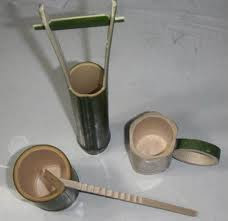
take 竹 bamboo toys

take gangu 竹玩具 toys from bamboo
take ningyoo 竹人形 dolls from bamboo
takezaiku 竹細工 craft from bamboo


. Bamboo, the Asian Plant 竹とだるま .
and kigo about the bamboo


. Daruma Doll with a Bamboo Leaf 竹の葉だるま .


. Henro 四国お遍路さん Henro Pilgrims Dolls from Shikoku .

. chasen 茶筅 / 茶筌 / 茶せん tea whisk made from bamboo .


. Photo Gallery of Bamboo Art in Asia .

::::::::::::::::::::::::::::::::::::::::::::::::::::::::::::::::::::::::::::::::::::::::::::::::::::::::::::::::::::::::::::::::::::::::::::::::::::::::::::::::::::::::::: 


時雨るるや竹人形のなびく髪
shigururu ya take ningyoo no nabiku kami

winter drizzle -
the bent hair
of bamboo dolls


Takayama Kaori 高山薫


::::::::::::::::::::::::::::::::::::::::::::::::::::::::::::::::::::::::::::::::::::::::::::::::::::::::::::::::::::::::::::::::::::::::::::::::::::::::::::::::::::::::::: 


Bamboo is readily available in all parts of Japan and therefore a cheap material to make toys and dolls.


. Takeuma, chikuba 竹馬 bamboo stilts .


. chikuba (take no uma) 竹馬 "bamboo horse" stilts .
kigo for all winter


chikuba no tomo 竹馬の友 an old friend
(from the days when they shared the bamboo stilts)


::::::::::::::::::::::::::::::::::::::::::::::::::::::::::::::::::::::::::::::::::::::::::::::::::::::::::::::::::::::::::::::::::::::::::::::::::::::::::::::::::::::::::: 


taketonbo 竹とんぼ bamboo dragonfly
maybe the most popular bamboo toy

Most people in my village make them for their children and grandchildren.

:::::::::::::::::::::::::::::::::::::::::::::::::::::::::::::::::::::::::::::::::::::::::::::::::::::::::::::::::::::::::::::::::::::::::::::::::::::::::::::::::::::::::: 
- - - - - Famous regional bamboo toys and craft - - - - -

:::::::::::::::::::::::::::::::::::::::::::::::::::::::::::::::::::::::::::::::::::::::::::::::::::::::::::::::::::::::::::::::::::::::::::::::::::::::::::::::::::::::::::
Fukui

. Echizen take ningyoo 越前竹人形 bamboo dolls from Echizen .


::::::::::::::::::::::::::::::::::::::::::::::::::::::::::::::::::::::::::::::::::::::::::::::::::::::::::::::::::::::::::::::::::::::::::::::::::::::::::::::::::::::::::: 
Ibaraki

. Hitachi take ningyoo ひたち竹人形 bamboo dolls
from Hitachi town 日立市

::::::::::::::::::::::::::::::::::::::::::::::::::::::::::::::::::::::::::::::::::::::::::::::::::::::::::::::::::::::::::::::::::::::::::::::::::::::::::::::::::::::::::: 
Mie - Ise 伊勢竹玩具

. Ise 伊勢竹玩具 bamboo toys from Ise Shrine .
take narigoma 竹鳴りごま spinning bamboo top making a sound
takebue 竹笛 flute from bamboo 
takehebi 竹蛇 toy serpent from bamboo


:::::::::::::::::::::::::::::::::::::::::::::::::::::::::::::::::::::::::::::::::::::::::::::::::::::::::::::::::::::::::::::::::::::::::::::::::::::::::::::::::::::::::::
Oita 大分県

- quote -
Beppu Bamboo Ware 別府 竹細工
In this bamboo-rich nation, Oita Prefecture is the number one producer of madake, or Japanese timber bamboo. Used predominantly for knitting and braiding, it forms the heart of Beppu bamboo ware, a governmentally designated traditional craft of Oita Prefecture.


Beppu bamboo ware is made in Beppu City in Oita Prefecture. Produced using the prefecture’s high quality madake, found predominantly around Beppu City, it’s commonly used for flower baskets and other kinds of baskets, as well as other products. With a large number of people employed in bamboo-related industries, Beppu bamboo ware production is a pillar of the local economy, alongside the tourist industry built around the area’s ever-popular hot springs.

The manufacturing of Beppu bamboo ware can be divided into four steps:
seasoning the bamboo, processing, knitting and braiding, and finally finishing.
The most important step is knitting and braiding, where the product’s shape is hand-woven using thin bamboo strips. The complex techniques employed in the process play a critical role in the final design of each product.

Beppu bamboo ware began to be recognized as early as the Muromachi Period (1336-1573), when baskets for peddling were made and sold in the area. During the Edo Period (1603-1868), Beppu’s onsen, or hot springs, came to be known as the best in Japan, and bamboo ware began to be sold in the form of kitchenware for visitors to use during their stays. Very easy to use, these products became a popular Beppu souvenir. As the market quickly expanded, Beppu bamboo ware developed into a robust local industry.

Demand for everyday items made from bamboo has decreased in recent years. However, the trend has conversely led to production of quality artwork that makes use of these same long-cultivated skills. Boasting both artistic and functional qualities, Beppu bamboo ware continues to be manufactured to this day.
- source : japan-brand.jnto.go.jp/crafts/woodcraft -


CLICK for more photos !

:::::::::::::::::::::::::::::::::::::::::::::::::::::::::::::::::::::::::::::::::::::::::::::::::::::::::::::::::::::::::::::::::::::::::::::::::::::::::::::::::::::::::::  
Okayama 岡山県

Katsuyama takezaiku 勝山竹細工 bamboo craft from Katsuyama town
Often from 月田地区 Tsukida area.


- quote -
Katsuyama Take Zaiku use madake bamboo growing around Maniwa City.
Originally, the main products were そうけ souke, open weave baskets, used in daily life and farm work. Four types of basket are known as typical Katsuyama Take Zaiku:
大ぞうげ ouzouke for storing grain, みぞうけ mizouke to carry vegetables and other crops,
米あげぞうけ komeage-zouke for draining washed rice, and
飯ぞうけ meshi-zouke to hang rice under the eaves and prevent damage.
Today, in keeping with modern times, popular additions to the range are bread baskets, hand baskets, and flower vases.
Katsuyama Take Zaiku are distinguished by their durability and ease of use and they are particularly known for using minimally processed green bamboos. Other region’s madake crafts are made of bamboo heated over a fire or boiled, but Katsuyama Take Zaiku use completely untreated green bamboo; this production method has been traditionally passed down for many generations. These simple and solidly-made bamboo baskets make the best use of the natural beauty of green bamboo, and with the passage of time, the color changes to a cognac amber.
- History
It is thought that the production techniques of Katsuyama Take Zaiku were established around 1860. However, as the baskets in those days were utilitarian, today only a few examples have survived. For this reason, it is difficult to give a specific year of origin, but in old documents of the Yamatani family considered to be written around 1860, and in an application for a sake brewery license in 1877, we find the mention of harisouki bamboo baskets and kamesofuke used to store or carry grain. This would indicate that by at least the end of the Edo period Katsuyama Take Zaiku were widely available and distributed. Moreover, it is known in those days, some households invited bamboo basket makers to stay for several days to make baskets for a whole year, which tells us that bamboo ware were essential for people’s daily life and farm work. The crafts were sold in the Chugoku region by peddlers, and because of their high practicality, they were much appreciated as daily living necessities; over the years they spread throughout the country.
In 1979, Katsuyama Take Zaiku was designated as a national traditional craft.
- General Production Process
- source : kogeijapan.com/locale/en_US/katsuyamatakezaiku...-


::::::::::::::::::::::::::::::::::::::::::::::::::::::::::::::::::::::::::::::::::::::::::::::::::::::::::::::::::::::::::::::::::::::::::::::::::::::::::::::::::::::::::: 
Shimane

. Izumo take ningyoo 出雲竹人形 bamboo dolls from Izumo .
from Sada village 佐田町

. ryuu 竜 bamboo dragon .


:::::::::::::::::::::::::::::::::::::::::::::::::::::::::::::::::::::::::::::::::::::::::::::::::::::::::::::::::::::::::::::::::::::::::::::::::::::::::::::::::::::::::::  
Shizuoka 静岡県

Suruga Bamboo Basketry 駿河竹細工 / 千筋 Suruga take sensuji zaiku


- quote -
The watershed of Abekawa river, which runs through Fuchu, Shizuoka and the Warashita river, has produced good-quality bamboo since the old days. Bamboo colanders and baskets from the remains of the Yayoi era (from the third century BC to the third century AD) have been unearthed here, which tells us that bamboo products have been historically used as everyday tools in this area.

The craftwork called “Suruga-takezaiku” is made through the process of a single artisan folding takehigo (thin bamboo sticks, about 2mm in diameter, made from cracking bamboo into pieces) one by one, for a resulting creation that looks as if it is comprised of a thousand sticks. This is how the word sensuji – one thousand lines – was later added to its name. While takezaiku in other areas uses flat bamboo sticks, those in Suruga are round. They require extra effort in processing, which gives an elegant touch to the finished product.

The beginning of this takezaiku goes back to around 1840, when a man named Suganuma Ichiga, a member of the Okazaki Domain (eastern part of Aichi Prefecture) who was highly skilled in flower arrangement and tea ceremony, stopped by in this area and taught the technique to the son of the owner of Hanaya (an inn where he was staying), a man named Shimizu Iehe. Iehe then went on to teach many more disciples the technique until his eventual death. Elaborate flower vases, sweets containers, trays and andon (lampstand with a paper shade) made from sturdy bamboo were spread to many different parts of the country during this era, and quite quickly as well, as travelling was quite popular at the time.

In 1873, this technique was presented at the World Expo in Wien as a specialty product from Japan. The unique Eastern method of delicately folding bamboo caught attention, which led to the exporting of many products in the following years. In 1976, it was certified as a Traditional Craft by the Minister of International Trade and Industry.

Recently takezaiku and its unique style has been adopted in the field of home interior design, and with the development of new takezaiku creations such as lamp shades or lampstands, one can now feel an enhanced presence of traditional craftwork in everyday life. The highly stylish form of takehigo making layers of shade and shadow with its delicate and elegant curves matches many different scenes in our contemporary life, whether they are Japanese or Western styled.
- source : japan-brand.jnto.go.jp/crafts-

静岡竹工芸協同組合 / 3-11 Gobancho, Aoi Ward, Shizuoka


:::::::::::::::::::::::::::::::::::::::::::::::::::::::::::::::::::::::::::::::::::::::::::::::::::::::::::::::::::::::::::::::::::::::::::::::::::::::::::::::::::::::::::  
Tokushima

. Awaodori no take ningyoo 阿波踊竹人形
bamboo dolls of the Awa dance


:::::::::::::::::::::::::::::::::::::::::::::::::::::::::::::::::::::::::::::::::::::::::::::::::::::::::::::::::::::::::::::::::::::::::::::::::::::::::::::::::::::::::::  
Yamaguchi

Hagi no takezaiku 萩 竹細工 bamboo craft from Hagi


NHK BSプレミアムのイッピン
- source : blog.goo.ne.jp/1945ys4092 -

- reference : hagi bamboo craft -

::::::::::::::::::::::::::::::::::::::::::::::::::::::::::::::::::::::::::::::::::::::::::::::::::::::::::::::::::::::::::::::::::::::::::::::::::::::::::::::::::::::::::: 
:::::::::::::::::::::::::::::::::::::::::::::::::::::::::::::::::::::::::::::::::::::::::::::::::::::::::::::::::::::::::::::::::::::::::::::::::::::::::::::::::::::::::::  


take gangu 竹玩具 toys from bamboo

. . . CLICK here for Photos !

.................................................................................


take ningyoo 竹人形 dolls from bamboo

. . . CLICK here for Photos !


. Reference .

::::::::::::::::::::::::::::::::::::::::::::::::::::::::::::::::::::::::::::::::::::::::::::::::::::::::::::::::::::::::::::::::::::::::::::::::::::::::::::::::::::::::::: 


takezaiku 竹細工 bamboo ware, handicraft


take koogei 竹工芸 bamboo art

from Kanto to Kyushu
source : www.takekogei.com


- Look at more of his pieces ! -

"Circles and Harmony", flower basket
Shiotsuki Juran  塩月寿籃(しおつきじゅらん) (b. 1948), Usa, Oita Prefecture.

.......................................................................

. Nishikawato takezaiku 西川登竹細工 bamboo craft .
Nishikawato village 西川登町 - Saga 佐賀県


. takezaiku, takegeihin 竹芸品 Bamboo art from Sado Island.
Sadogashima 佐渡島 Sado Island - Niigata 新潟県

..............................................................................................................................................


A studio portrait
of a young basket maker wearing a head band using bamboo to weave a basket. All around him are his bamboo products, which include draining baskets (笊, zaru), winnowing baskets (箕, ki), and noodle-draining baskets (饂飩打ち上げ篭, udon uchiage kago).


source : facebook - Old Photos of Japan .


..............................................................................................................................................

棒先の茶笊かわくや春の風
boosaki no chazaru kawaku ya haru no kaze

on the tip of the pole
the tea strainer dries...
spring breeze


As Makoto Ueda points out, A tea strainer (chazaru) is made of bamboo. It needs to be dried in the sun to prevent it from becoming moldy.
Tr. and Comment : David Lanoue

. Kobayashi Issa 小林一茶 .


On the other hand, green Japanese tea is usually not poured through a strainer, because the Kyusu tea pot has one built in. Thus the remaining tea leaves can be used again for weaker drinks.


source : hojotea.com/item

The chazaru "tea basket" was used to spread harvested tea leaves and let them dry for some time.

:::::::::::::::::::::::::::::::::::::::::::::::::::::::::::::::::::::::::::::::::::::::::::::::::::::::::::::::::::::::::::::::::::::::::::::::::::::::::::::::::::::::::::  


早暁の竹を揺らして春の雪

morning sun
coloring sky and snow -
bamboo dancing


. Bamboo in my valley 2005 .


:::::::::::::::::::::::::::::::::::::::::::::::::::::::::::::::::::::::::::::::::::::::::::::::::::::::::::::::::::::::::::::::::::::::::::::::::::::::::::::::::::::::::::


. Japanese Legends - 伝説 民話 昔話 – ABC-List .

秋田県 Akita 角館町 Kakunodate town

If a child is born, Yamanokami spends the whole night at the Shrine to decide the fate of the baby.
A boy was told to have luck with three sticks of bamboo, so he became a craftsman for bamboo art.
A girl was told to have luck with three measures of salt, so she became the daughter-in-law of the village headman.

. Yama no Kami 山の神 God of the Mountain - Legends .

.......................................................................

宮城県 Miyagi 栗駒町 Kurikoma town

. tanuki 狸 - mujina 狢 - racoon dog, badger legends .
When grandfather 吉 Kichi san was on his way home down the mountain from his charcoal-making hut, he met a woman and could not find his way home any more.
The next morning they found him in the horse stable, the thumb of his right foot had been smashed. From that day on he never went out for three years and did not talk to anyone.
He made tools and toys of bamboo and stayed alone for the rest of his life.

.......................................................................

- reference : Nichibun Yokai Database -


::::::::::::::::::::::::::::::::::::::::::::::::::::::::::::::::::::::::::::::::::::::::::::::::::::::::::::::::::::::::::::::::::::::::::::::::::::::::::::::::::::::::::: 


. Regional Folk Toys from Japan .


. Tohoku after the BIG earthquake March 11, 2011

[ . BACK to WORLDKIGO . TOP . ]
[ . BACK to DARUMA MUSEUM TOP . ]
- #ytake #takezaiku -
::::::::::::::::::::::::::::::::::::::::::::::::::::::::::::::::::::::::::::::::::::::::::::::::::::::::::::::::::::::::::::::::::::::::::::::::::::::::::::::::::::::::::: 

8/29/2011

Kibuna yellow carp

[ . BACK to DARUMA MUSEUM TOP . ]
::::::::::::::::::::::::::::::::::::::::::::::::::::::::::::::::::::::::::::::::::::::::::::::::::::: 


Kibuna, ki-buna 黄鮒 / 黄ぶな yellow crucian carp

from shrine Futarasan jinja 二荒山神社
Utsunomiya town 宇都宮
Shrine Futaarasan


Amulet against smallpox and for good health.
Sold at the shrine during the new year season. It also prevents bad luck during the coming year.

Once upon a time, there was an epidemy of smallpox in the region. People prayed to the gods for help.
A farmer caught a yellow carp funa 鮒 in the river Tagawa 田川 and gave it to his ill family members, who where soon healed. Since then, this fish is treated as a messenger of the deity.

The toy fish has large round eyes and a yellow body.

This yellow carp has become one symbol of Utsunomiya town, and is found on various specialities, even the bus line features a "yellow carp".


bus stop

.................................................................................


source : i-kimoto
clay bells from Tochigi


clay bell from Utsunomiya town 土鈴 dorei

. Clay Bells どれい【土鈴】 dorei .

.................................................................................


Here is a sake local rice wine named like this toy
四季桜「黄ぶな」
宇都宮酒造株式会社の特別本醸造酒 精米歩合60%
吟醸酒
source : stingray


. Jizake local rice wine of Japan .

.................................................................................


monaka waffles 最中


. Wagashi - Japanese Sweets .
also monaka with Daruma


.................................................................................


Kitty chan riding a kibuna
キティ 黄ぶな根付けストラップ
as a netsuke strap or pencil stopper


. Kitty Chan Toys キティちゃん .


.................................................................................


kyuupii, kyupi 黄鮒キューピー」(宇都宮)yellow carp kewpie

. Kewpie Dolls キューピー .
with Kewpie Daruma

. . . CLICK here for more kewpie Photos !


. Folk Toys from Tochigi .


::::::::::::::::::::::::::::::::::::::::::::::::::::::::::::::::::::::::::::::::::::::::::::::::::::: 


. . . CLICK here for Photos !

. Reference .


. English Reference .


::::::::::::::::::::::::::::::::::::::::::::::::::::::::::::::::::::::::::::::::::::::::::::::::::::: 


Matsuo Basho was here :


. 二荒山神社 Futarasan Shrine, Nikko .


:::::::::::::::::::::::::::::::::::::::::::::::::::::::::::::::::::::::::::::::::::::::::::::::::::::


summer rain -
a yellow carp floats
through the city


. buna densetsu 鮒 伝説 crucian carp - kigo and legends .


::::::::::::::::::::::::::::::::::::::::::::::::::::::::::::::::::::::::::::::::::::::::::::::::::::: 

. Regional Folk Toys from Japan .

. WKD : Buna 鮒 and its kigo .


. Tohoku after the BIG earthquake March 11, 2011

[ . BACK to WORLDKIGO . TOP . ]
[ . BACK to DARUMA MUSEUM TOP . ]

::::::::::::::::::::::::::::::::::::::::::::::::::::::::::::::::::::::::::::::::::::::::::::::::::::: 

8/26/2011

Namazu catfish

[ . BACK to DARUMA MUSEUM TOP . ]
:::::::::::::::::::::::::::::::::::::::::::::::::::::::::::::::::::::::::::::::::::::::::::::::::::::::::::::::::::::::::::::::::::::::::::::::::::::::::::::::::::::::::::


namazu なまず / 鯰 / 鮧 catfish - der Wels


A giant catfish (namazu)
lived in mud beneath the earth. The catfish liked to play pranks and could only be restrained by Kashima, a deity who protected the Japanese people from earthquakes. So long as Kashima kept a mighty rock with magical powers over the catfish, the earth was still.
But when he relaxed his guard, the catfish thrashed about, causing earthquakes.

. The Super Earthquake March 11, 2011 .


Thus the catfish plays a special role in Japan, where earthquakes are rather frequent.
Der Wels und die Erdbeben.


. WKD : catfish ( Silurus asotus) KIGO .

. The Gourd, the Catfish and Daruma .

:::::::::::::::::::::::::::::::::::::::::::::::::::::::::::::::::::::::::::::::::::::::::::::::::::::::::::::::::::::::::::::::::::::::::::::::::::::::::::::::::::::::::::

ABC - List of Catfish Toys from the Prefectures

namazu osae 鯰押さえ subpressing a catfish


This is a model from the greater figure that rides on a festival float during the

鯰押さえ祭りの catfish subpressing festival

An old man stands in the middle of the sea and keeps a catfish down with a gourd.
This is a karakuri ningyoo からくり人形 mechanical doll. The man and the fish of the miniature are made from folded paper.


The festival is held on May 14, 15 at the shrine Hachiman jinja 八幡神社.


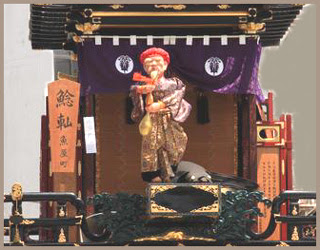
The festival float is called namazu dashi なまず山車, one of the oldest floats to feature a mechanical doll device.
The motive is taken from the Otsu pictures (Otsu-e 大津絵) , showing how powerless humans are against nature (earthquakes).


. Folk Toys from Gifu .
Oogaki, Ogaki town 大垣


. Otsu Paintings 大津絵 .


namazu-e 鯰絵 catfish pictures
. . . CLICK here for Photos !


. Karakuri ningyoo からくり人形 mechanical dolls .

.................................................................................


Library of Monsters

銭だるま;ゼニダルマ
Daruma made from Coins, as a catfish


a Daruma catfish
peeks through a hole in the wall -
monsters of Japan


:::::::::::::::::::::::::::::::::::::::::::::::::::::::::::::::::::::::::::::::::::::::::::::::::::::::::::::::::::::::::::::::::::::::::::::::::::::::::::::::::::::::::::


the zodiac rooster on a catfish ナマズの上に鶏

Fukushima, Aizu, Nakayugawa papermachee doll
会津中湯川土人形 - by Aoyagi san 青柳守彦

for the year 2012


Zodiac Dragon on a Catfish
鯰(なまず)に乗る辰


. 2012 - The Dragon Art Gallery .


. namazu nori no saru なまず乗り猿 monkey riding a catfish .
Aomori


::::::::::::::::::::::::::::::::::::::::::::::::::::::::::::::::::::::::::::::::::::::::::::::::::::: 


ナマズの上に達磨

. Daruma on a namazu catfish fish .
Kasukabe hariko 春日部張子 papermachee dolls

Saitama

:::::::::::::::::::::::::::::::::::::::::::::::::::::::::::::::::::::::::::::::::::::::::::::::::::::::::::::::::::::::::::::::::::::::::::::::::::::::::::::::::::::::::::


Uzuma no namazu うずまの鯰 catfish from Uzuma
from the river Uzumagawa 巴波川


This is the most typical regional toy from Tochigi.
Once upon a time,
the young farmerboy Sakichi 作吉 found a young namazu during a terrible drought lying way beside the riverbank. So he picked the anmial up and threw it back into River Uzumagawa.
It began to rain immediately after his good deed for the next three days.
Some years later,
the young son of Sakichi fell into the river while playing near the bank. People rushing out to help saw the struggeling child being saved from drowning by being supported on the backs of more than twenty catfish.
To honor the benevolant catfish of this river,
the farmers made simple toy catfish out of a rice ladel (shamoji しゃもじ) , which they gave to their children when they were born, to protect them from drowning.
Prayers were also offered to the catfish, now seen as a messenger of the deities, for the healthy growth of the children and for the protection of their rice fields.
These catfish toys are now a symbol of the spirit of helping each other (taskue-ai), which was very important after the big earthquake of Tohoku in March, 2011.
The toys show a black catfish with a large red tongue.

The catfish lives in the many swamps of the Kanto plain and was a symbol for the fertile fields of the region. But it did not taste well and was usually not eaten, but lived side by side with the farmers.
The catfish amulet is also sold as a reminder of the repayment of kindness
at the shrine
Shinmeigu in Tochigi 栃木神明宮.


votive flag with catfish


. Folk Toys from Tochigi .


. Shamoji ... しゃもじ ... Ladle .

.................................................................................


冬の空川鵜見下ろす巴波川
fuyu no sora kawa-u mi-orosu Usumagawa

winter sky -
a cormorant looks down
at river Uzumagawa


with a photo
Isamu


::::::::::::::::::::::::::::::::::::::::::::::::::::::::::::::::::::::::::::::::::::::::::::::::::::: 


. . . CLICK here for Photos !

. Reference .

source : www.nichibun.ac.jp : Library of Monsters

:::::::::::::::::::::::::::::::::::::::::::::::::::::::::::::::::::::::::::::::::::::::::::::::::::::::::::::::::::::::::::::::::::::::::::::::::::::::::::::::::::::::::::


source : nichibun.ac.jp/Youka

鯰;ナマズ,三味線;シャミセン,木魚;モクギョ
namazu playing Shamisen and mokugyo wooden fish gong

they are from 鹿島町 Kashima Machi district in Edo, which is written on the bucket of the fire brigade on the very right.

:::::::::::::::::::::::::::::::::::::::::::::::::::::::::::::::::::::::::::::::::::::::::::::::::::::::::::::::::::::::::::::::::::::::::::::::::::::::::::::::::::::::::::


Toyotama Hime Jinja 豊玉姫神社 Princess Toyotama Hime Shrine
佐賀県嬉野市嬉野町大字下宿乙2231-2 - Saga, Kino Hot Spring

. Namazu sama なまず様 the honorable catfish .
for beautiful skin

:::::::::::::::::::::::::::::::::::::::::::::::::::::::::::::::::::::::::::::::::::::::::::::::::::::::::::::::::::::::::::::::::::::::::::::::::::::::::::::::::::::::::::

More Catfish Legends
source : shanesworld

Yodohime Shrine 淀姫神社
Saga prefecture


Once, there lived a huge snake that came out at night to kill people from time to time. A parent and child were fishing on a boat one night when the snake came upon them. Praying to heaven for help, the two of them realized after a while that all was quiet. However, there was a large namazu with a swollen belly lying on the shore. On cutting it open, they found the snake inside. The local villagers held a funeral for the namazu and forbade the eating of namazu out of gratitude, which became the pledge of the Yodohime Shrine.

..................................................................................................................................................................


Futsukaichi Town 二日市
Shizuoka


There are three large stones in the shape of namazu near Futsukaichi, which are supposed to have originated from the three pieces into which a giant monster namazu from the Kankō Suki River was cut. During the dry season, rain-prayer ceremonies are performed at these stones, which are washed with rice wine. According to local stories, no namazu occurred in earlier times in a certain well (the stone-well, ishi-ido) located in the immediate vicinity. In the summer of 1873, a fire was built near the three stones, causing them to split in places and namazu that now populate the well to spring from these openings.

..................................................................................................................................................................


Kazuru 数鹿流
Kumamoto, Kyushu


Futae no toge 二重の峠 Futae pass
Tatenu (Teno) 立野
Kazuru ga taki 数鹿流(すがる)が滝 Kazuru Waterfall

上益城郡嘉島町鯰
Kokuzoo jinja 国造神社 shrine Kokuzo

During the mythical origins of the Aso plain, northeastern Kumamoto on the island of Kyūshū. The plain was once a muddy lake. The god Takeiwatatsu 健磐龍命 inspected the lake and determined that the plain it occupied would be extremely good for growing rice. He therefore decided to drain the lake by allowing the water to run off a hole in the ground on the western end of the lake.
Next morning, Takeiwatatsu inspected his handiwork from a height near Teno 立野 to the northeast of the lake, but found only half the water gone. The cause of this was immediately perceived as a giant, thousand-year old namazu blocking the water by lying across the plain. The giant fish had wrapped its barbels around a pine tree and to the south, its tail thrashed in one of the highest peaks of the Aso plateau.

After some pondering as to how to get rid of the fish, Takeiwatatsu tied its nose with an enormous vine and tied it to a huge rock near the village of Katasumi. The monster writhed in pain and blows of its tail were felt in Hebi-no-o, 3.5 ri (13.5 km) away. The giant namazu eventually grew exhausted and could struggle no more. Since it was too big to remove, Takeiwatatsu cut it into three pieces and let them fall to the west to be carried away by the waters there. The pieces finally came to rest near a small place in Kamimashiki County, which has since been known as Namazu. The pieces were packed in six baskets (rokka), and the village in which this was done is still called Rokka 六荷 ・六嘉.

When the time came to use the plain, it was found that rice did not grow well there after all. After consulting with his heavenly colleagues, Takeiwatatsu found out that the namazu, as god of the lake, had cursed the rice crops. Takeiwatatsu then made peace with the namazu-god by worshipping his spirit in Teno and since then, rice has thriven in the Aso plain.
Right up to the Meiji Restoration, the adherents of the Aso shrine neither caught nor ate namazu as a result.


Namazu stone at Aso Shrine 阿蘇神社
source : Japanese Version 阿蘇と鯰


At the north of Aso Shrine is a shrine dedicated to the catfish


Namazu sha 鯰社

and the stone catfish venerated at this shrine.


.................................................................................


Kamitsu Izumo shrine
Kyoto


There was once a temple in Kyōto (the Kamitsu Izumo temple) which suffered from chronic neglect by its priests that it was on the verge of collapse. One such priest, Jōkaku, was the son of the previous priest and was married with a child. One night, Jōkaku's father appeared to him in a dream and told him that as a punishment for his sinful life (the father's, not Jōkaku's), he had been changed into a three-shaku (91 cm) long namazu, doomed to live henceforth in a narrow dark place under the roof of the temple, in which rainwater entering through holes in the roof, had collected. The father then foretold that a heavy storm would occur the day after tomorrow and the temple would collapse. He would fall to the ground and when that happened, Jōkaku was to protect him from the children, carry him to the Katsura River and throw him into the water.

Jōkaku told his wife of the dream and both of them laughed at it. At the predicted time, a wild storm indeed arose, causing the temple to collapse. When the temple roof fell in, many large fish fell with it, including a three-shaku long namazu.
When neighbors and children hurried to pick up the fish and carry them away, Jōkaku had forgotten about the dream. He drove a stick through the namazu's head and told his son to hold it. Due to its size, they cut the namazu into pieces, put them in a bucket with the other fish and took it home. Jōkaku's wife saw immediately that this was the fish of her husband's dreams, but it was cooked in spite of her protests. It tasted strange and just as Jōkaku was inviting his wife to eat some of it, he choked on a bone and died instantly. The numazu catfish had taken its revenge.

source : Namazu-e and Their Themes
An Interpretative Approach to Some Aspects of Japanese Folk Religion.
C. OUWEHAND. Leiden: E. J. Brill, 1964
available as googlebooks


:::::::::::::::::::::::::::::::::::::::::::::::::::::::::::::::::::::::::::::::::::::::::::::::::::::::::::::::::::::::::::::::::::::::::::::::::::::::::::::::::::::::::::


Fudo Myo-O and the Catfish
不動明王と鯰


source : Modern Hakata Dolls

Fudo Myo-O taming a catfish (modern doll)

.................................................................................


source : www.nichibun.ac.jp :Library of Monsters

Fudo Myo-O as God of Thunder


. My Fudo Myo-O Gallery .


:::::::::::::::::::::::::::::::::::::::::::::::::::::::::::::::::::::::::::::::::::::::::::::::::::::::::::::::::::::::::::::::::::::::::::::::::::::::::::::::::::::::::::

Yokai Database
- 25 legends to explore -

:::::::::::::::::::::::::::::::::::::::::::::::::::::::::::::::::::::::::::::::::::::::::::::::::::::::::::::::::::::::::::::::::::::::::::::::::::::::::::::::::::::::::::

. Regional Folk Toys from Japan .


. Tohoku after the BIG earthquake March 11, 2011

[ . BACK to WORLDKIGO . TOP . ]
[ . BACK to DARUMA MUSEUM TOP . ]
- #namazu #wels #catfish -
:::::::::::::::::::::::::::::::::::::::::::::::::::::::::::::::::::::::::::::::::::::::::::::::::::::::::::::::::::::::::::::::::::::::::::::::::::::::::::::::::::::::::::