- - ABC-INDEX - -

Showing posts with label cow. Show all posts

5/29/2015

Legends red cow akaushi

[ . BACK to DARUMA MUSEUM TOP . ]
. Legends and Tales from Japan 伝説 - Introduction .
:::::::::::::::::::::::::::::::::::::::::::::::::::::::::::::::::::::::::::::::::::::::::::::::::::::::::::::::::::::::::::::::::::::::::::::::::::::::::::::::::::::::::::

Legends about the Red Cow, Red Bull 赤牛と伝説 aka-ushi, akaushi
akage no oushi (o-ushi) 赤毛の牡牛 a Bull with red hair


akaushi no yookai 赤牛の妖怪 monster red bull
oni wa akaushi 鬼は赤牛 a demon is the red bull


「緑牛」の正体 ? and what about the green bull ?

I have come across some legends about cows, but the special mention of color, like the RED, GREEN or BLACK cow
. . must have some deeper meaning.
Sometimes the red cow is the "ike no nushi" 池の主の赤牛  master of the pond.
Still trying to find that out. Any help is welcome.
Some sources say it was the malaria.

Gabi Greve, May 2015

- Part 2 -
. Legends about the Black Cow, Black Bull  黒牛と伝説 kuro-ushi, kuroushi .


. Legends about animals 動物と伝説 .
- Introduction of cow legends -


. ushi oni, ushioni, gyuuki 牛鬼 "bull-demon" ox ogre .
a monster in the pandemonium of Western Japan.


quote
Akaushi (赤牛, あか牛  roughly meaning "red cow")
is a Japanese Wagyū breed of cattle. The beef produced by Akaushi cattle is richly marbled with fat and produces a very tender, flavorful, and expensive variety of steak which is used in Kobe restaurants.
Beef
originally carrying the title of "Kobe beef" were simply cattle from herds in the Kobe area of Japan, and could be any of four breeds of Wagyu cattle: the Akaushi (Japanese Red), the Kuroushi (Japanese Black), the Japanese Polled and the Japanese Shorthorn.
The Akaushi
is a Japanese breed of cattle actually created by a government project that included as many as 150 scientists at one point and spanned more than 50 years. The story goes that these cattle were considered the property of the Japanese government and they were never to leave the Japanese islands.
Currently,
the largest purebred group of Wagyū outside Japan is a herd of Akaushi cattle located in Harwood, Texas, owned by HeartBrand Beef. It was raised from a Japanese imported herd of 11 which was guarded by off-duty Texas Rangers to protect from interbreeding for over 12 years until the herd grew to over 5,000 cattle.
The meat
contains high concentrations of oleic acid, a heart-healthy fatty acid. Akaushi beef has a high ratio of monounsaturated to saturated fats.
source : wikipedia

..............................................................................................................................................

- Now let us go back to the past and enjoy some legends about "red cows".
Since most farmers in former times used cows for the field work, I use that translation.
Oxen and bulls were kept by specialized farmers for breeding.


from the Mooo bar, Shiraishi Island, Japan

. Buddha Statues and Cows (Bulls, Oxen) .


:::::::::::::::::::::::::::::::::::::::::::::::::::::::::::::::::::::::::::::::::::::::::::::::::::::::::::::::::::::::::::::::::::::::::::::::::::::::::::::::::::::::::::

- ABC - List of Red Cow legends from the Prefectures

..............................................................................................................................................

. . . . . . . . . . Fukushima 福島県

aka-beko, aka beko, akabeko 赤べこ a red cow
protecting from smallpox, like Daruma


aka-beko, aka beko 赤べこ
The most important of the Aizu Papermachee Dolls is the Red Oxen, Akabeko. The red color is auspicious for warding off illnesses. Many papermachee dolls of the Aizu area are called "Red Things" (akamono) for this reason.
Red things are also good luck symbols for childrearing.


. ushi 丑 ox, oxen (cow, bull, calf) amulets .

..............................................................................................................................................

. . . . . . . . . . Kagawa 香川県 

Once uopon a time
an old woman was on her way back from a pilgrimage to Konpira san and walked through the valley 五重谷, when a red cow came running after her. The old woman became quite scared and thought this must be a monster, so she hid in the forest. The red cow eventually disappeared, but to pray for its soul people built a small statue of Jizo Bosatsu at this spot.

. Konpira Daigongen . 金毘羅大権現 .

..............................................................................................................................................

. . . . . . . . . . Kagoshima 鹿児島県

日置郡 Hioki gun 山町 Yamamachi

Way back in the mountanis of the hamlet there is the top of an old five-storied stone pagoda 五輪塔, called ガラン Garan. It is not allowed for women to go there and other villagers may only come during the special ritual days. There are 16 powerful deities venerated here and they use the red bull.
Recently a five-storied pagoda has been dug out below the Garan, but the man who did it became a terrible headache. So this one too is venerated in the Garan now.

..............................................................................................................................................


. . . . . . . . . . Miyagi 宮城県

亘理町 Watari

When 伊達成実 Date Shigesane (1568 - 1646) built the castle, he had a red bull burried alive in the wall as a protector deity. On a special prayer hill in the South of his living quarters he planted a keyaki ケヤキ zelkova tree, but whoever would use its branches for firewood was cursed.


Watarijoo 亘理城 Watari Jo Castle


There are other castles or a samurai residences with a red bull burried alive (臥牛城 gagyuujoo) in Miyagi,
for example
登米郡登米町寺池の伊達氏登米館 - Date residence in Tome gun - Teraike Jo 寺池城
角田市の石川氏角田館 - Ishikawa residence in Kakuda town, 角田城 Kakuda Jo
玉造郡岩出山町の伊達氏岩出山城 - Date residence in Tamatsukuri gun - Iwadeyama Jo
柴田郡川崎町平沢の高野氏平沢館 - Takano residence in Shibata gun - Hirazawa Yakata
柴田郡川崎町,川崎城,川崎要害- Kawasaki castle, Kawasaki Yogai Stronghold

gagyuujoo, fushiushijoo 臥牛城(がぎゅうじょう、ふしうしじょう)gagyujo, fushiushijo -
Fushiushi Castle "Lying ox castle" - in Japan:

駒ヶ嶺城 (福島県相馬郡新地町)- Komagamine Jo castle, Fukushima
大森城 (福島県福島市)- Omori Jo castle, Fukushima
結城城 (茨城県結城市)- Yūki- Yuki Jo castle, Ibaraki

水沢城 (岩手県奥州市、大休城とも)- Mizuzawa Jo castle, Iwate
source : japan-iwate.info

岡城 (大分県竹田市)- Oka Jo castle, Oita
source : okacastleruins

烏山城 (栃木県那須烏山市)- Karasuyama- Jo castle, Tochigi
source : Karasuyama-castle

. . . CLICK here for more Photos - 臥牛城 !


. hitobashira 人柱 "human pillar" - human sacrifice .
ikenie 生贄 / 生け贄 human sacrifice


Gagyuuzan 臥牛山 Mount Gagyuzan in Okayama, Takahashi, 487 m high

.......................................................................


臥牛とは神慮に適ひあたたかし
後藤夜半

天つ日や臥牛に炎ゆる曼珠沙華
渡邊水巴 (from the collection : Mount Fuji 富士)

土手の臥牛が軸で水郷ぎりと輪転
山崎愛子


..............................................................................................................................................


. . . . . . . . . . Nagasaki 長崎県

. a red bull and the okeya 桶屋 bucket maker .
- - - - -
.......................................................................
西彼町 Seihi village

宮浦の峠に、狐がたくさん出た。ある日、老人が赤牛を連れて峠に行くと、ツワの葉を体にたくさん付けた狐がいた。老人は狐が化かしていると思ったが、そのときにはもう化かされており、どこか違う家の書斎に居る気になっていた。そこへ人が通りかかり何をしているのかと問いかけると、老人は牛のしっぽに掴まって「狐だ」と言っていたという。


..............................................................................................................................................


. . . . . . . . . . Niigata 新潟県

西蒲原郡 Nishi Kanbara gun 赤塚村 Akatsuka village

The master of the pond Akazu no Ike 明かずの池 was a huge serpent (or a red bull), which killed the villagers and brought much misfortune to the village. So the priest from temple 正元寺 performed special rituals and prayers for seven days and seven nights.
The red bull had to flee from the pond and escaped to another one, the pond in Jigokudani (Valley of Hell 地獄谷).

. Jigokudani 地獄谷 ”Hell Valley" -- Jigoku no Tani 地獄の谷 .

..............................................................................................................................................


red beco, redbeco


- source : redbeco.com -meat -


..............................................................................................................................................

. . . . . . . . . . Okayama 岡山県 

The Red Cow and Awakura Hot Spring  粟倉温泉 

.......................................................................

総社市 Soja

昔六社宮は山上に祭られていたが、すぐ潰えるので、人柱の代わりに赤牛を入れることになった。当時ある者が赤牛を飼っていて、金を出せば出しても良いということになった。その後は潰えなくなったが、牛を出した者の家では2代も3代もオシゴロウが出たという。

.......................................................................


. akaushi ni notta sennin 赤牛に乗った仙人 the Immortal who rode on a red bull .


..............................................................................................................................................

. . . . . . . . . . Okinawa 沖縄県

ウシ・マジムンは死棺を入れる籠が牛に化けたものだという。夜遅くの帰りに、赤牛が突進してきた。両角を追って組み伏せたが疲れて倒れた。翌朝になってみると籠の両側につけた飾り物を握っていた。

.......................................................................

宮古郡 Miyako

ヤーマス・ウガン由来伝承は、3人兄弟の出生譚として異常妊娠(いつとはなしに孕む)、異常出産(3つの卵を生む)、生長段階の異常食欲、来間島での牡赤牛との格闘なとの話しを持つ。牡牛から来間無人化の理由を聞いてヤーマス・ウガン再興を約束し、女(老婆の連れ去られていた娘)を連れ帰り、長男の嫁とした。生まれた娘たちを次男、三男の嫁とした。
or

ヤーマス・ウガンの由来に関する説話では、赤牛ではなく、黒牛が出てくる話が採録されている。「牛のような怪物」という表現の頻度も高い。「天プトク地プトク根入リヤプトク主司」の説話では、赤牛が死ないし死後の世界にかかわる例がある。伊良部島の伝承では小さな赤牛が侵略者をひっかけてミルクガマへとつれ去る。

check
この話に出てくる鬼は赤牛だが、先に紹介した「卵から生まれた英雄」にも赤牛の妖怪が来間島に出現している。牛に神性があることを早くに指摘したのは石田英一郎で「河童駒引考」の中で詳しく解説している。
http://www2s.biglobe.ne.jp/~hiroba/ikai0107.html

..............................................................................................................................................


CLICK for more akabeko photos !

..............................................................................................................................................


. . . . . . . . . . Shizuoka 静岡県

Nagatsuro no kakure sato 長津呂のかくれ里 the hidden village of Nagatsuro

Once upon a time

むかし、南伊豆の長津呂(ながつろ)に与丸(よまる)という若者が母親と二人で暮らしていた。家に財産と呼べるようなものは、飼っている赤牛のアカくらいのものだった。それでも与丸はいたって気がやさしく、仕事のない日は浜辺の大岩の上で昼寝をするのがなによりの楽しみだった。

ところがこの与丸、ちょっと人が良すぎるところがあった。今日は庄屋さんの家で働いてきたのに、もらったお金は権左に貸してしまい、また吾作に貸したお金も返してもらっていない。この前は次郎兵衛の所で働いたのに、一銭ももらわずに帰って来たりといった調子だった。

ある日、与丸はいつものように浜辺の大岩の上で昼寝をしていた。起きてみると、いつも近くで草を食んでいるアカの姿が見当たらない。与丸がアカを呼ぶと、それに答えて「モ~~~」というアカの鳴き声が聞こえる。どうも鳴き声は大岩の中から聞こえてくるようだった。そして、与丸が鳴き声が聞こえてくる辺りを触ってみると、与丸は大岩の中に吸い込まれてしまう。

与丸が気がつくと、辺りは甘い香りが漂い、与丸がこれまで見たこともないような美しい景色が広がっていた。甘酸っぱい花の香りにつられて歩いて行くと、与丸はお爺さんがアカを連れて歩いているのを見つける。お爺さんは与丸に言う。

「これはこれは、与丸どの。牛を黙って借りてすまなかったのぅ。ところでの、与丸どの、この畑を鋤く(すく)一ヶ月ばかりあんたの牛を貸してはくれんかのぅ?」お爺さんはその代わりにと、与丸に蓮(はす)の種を一粒渡してまた言う。「その種を家に帰って水の中に蒔いてみなされ。良いことがありますぞな。」

ところが、アカを人に貸してしまったと聞いた与丸のおっかさんは、「アカを人に取られたら、どうやって暮らせばいいんじゃ。」と言って怒り、与丸が蓮の種を見せると「こんな物!!」と言って与丸の手をはたき、種は家の裏の池に落ちてしまう。

それからしばらく、与丸とおっかさんはアカの分までこれまでの何倍も働かねばならなかった。そんなある朝、与丸が目を覚まして何気なく裏の池を見ると、池にはきれいな蓮の花が咲いていた。その蓮の花はこの世のものとは思えぬ美しさで、あたかも極楽の景色のようだった。

またしばらくして、約束の期日になったので、与丸はアカを返してもらおうと浜辺の大岩の所に行った。与丸はお爺さんから礼を言われ、無事アカを返してもらった。ところが、家に帰ると、池の蓮の花は散っており、なにやら重そうな実をつけている。与丸が見てみると、なんと蓮の実は金の粒だった。金の粒はアカを貸した日数とちょうど同じ30粒あった。この金のおかげで、与丸の家はすっかり裕福になった。

しかしその後、与丸がいくら大岩のもとに行っても、二度と大岩の中に入ることは出来なかったそうな。

.......................................................................

Tajima no Akaushi 対島の赤牛

昔、伊豆の対島(たじま)に福泉寺(ふくせんじ)というやぶれ寺があった。この寺に住む住職は次々に行方不明になり、今では誰も住む者がなくなってしまった。村人たちは、福泉寺の奥にある大池の主が池に引き込んでしまうのだと言った。

それから何年かして、美濃の国の名のある武将が、何か思うところがあり出家した。僧になった武将は対島を訪れ、対島の美しい眺めを見て、ここを入定の地と定めた。そこで僧は、福泉寺のことを古老に聞いた。古老が言うには、福泉寺の森の奥に大池があり、夜中にその池の方から牛の鳴き声のような恐ろしい声が聞こえると言うのだ。僧は、それならば今晩、福泉寺に泊まり化け物の正体を見届けると言い、古老が止めるのも聞かず一人で福泉寺に向かってしまった。

夜、福泉寺の本堂では、静まり返った闇の中で僧の読経の声だけが響く。すると池の方から化け物の咆哮が聞こえた。僧が本堂から外に出てみると、そこには赤牛がいた。僧は赤牛に向かって、「もしそなたに仏性(ぶっしょう)があるなら人間の姿になって話してみなさい。」と言う。すると赤牛は夜叉(やしゃ)の女の姿になって本堂に入ってきた。

赤牛を目の前にして一切動じない僧を見て、赤牛は問う。「主(ぬし)は命が惜しくないのか?」僧はこれに応える。「自分は命に執着はない。そなたには仏性がある。仏の功徳(くどく)を聞かれてはどうか。ここに来た理由は救われたいがため?」

赤牛はこれを否定する。「自分は魔界に生を受けたもの。仏法などには縁はない。ここに来た理由はお主を殺そうと思ったからだ。しかし、お主は今までの僧とは違う。ここの住職は自分を恐れるばかりで、なかには討ちかかってくる者までいた。それでやむなく池に引き込んで沈めてしまった。しかし、ここにきて殺生が嫌になった。」

僧は言う。その心こそが仏性であると。僧は続けて自分が出家した経緯を話す。「自分が出家を思い立ったのは、戦で多くの人を殺したがため。私とそなたは同じ悩みを持つもの同士で、その二人がここで対峙するのも、仏のみ心によるものであろう。」

こう言って僧は、夜を徹して赤牛に仏の道を聞かせた。そして夜が明ける頃には、僧と赤牛は二人で手を合わせて読経していた。すると赤牛の身体が光り、これまで夜叉の女の姿であったものが美しい女の姿に変じた。これは赤牛が発心(ほっしん)したためであった。

女の姿に変わった赤牛は、本堂をでて大池に向かった。すると歩く道は白い光となり、赤牛を導くように大池の方に向かって伸びた。女の姿の赤牛は念仏の声とともに大池の水面上で消える。明朝、このことを聞いた古老は、なんとも有り難い話であると感嘆した。

.......................................................................

伊東市 Ito town

Before the development of the town, most of the plain was a huge pond, and its master was a red cow. It killed the priests of temple 福泉寺 Fukusen-Ji one after another.
Eventually a samurai turned priest named 和泉良孝 Izumi Yoshitaka began to read the sutras and finally all became quiet in the region.


Ippeki ike no aka-ushi 一碧湖の赤牛 The Red Cow from Ippeki Pond

Once upon a time
there lived a red cow in the pond, and sometimes it came out of the water, attacked the boats or shapeshifted into a beautiful farm girl and teased the farmers. It also shapeshifted into a dragon and attacked the fisherman and anglers on the shore and the villagers were really in trouble.


In the Kanei period (around 1635) the priest of the temple 光栄寺 Koei-Ji heared about this nuisance, came to the lake, settled down on one of the small islands and begun to pray and perform rituals for seven days. Finally the red cow was contained and the lake became quiet again.


Then he built a small hall there and placed copies of the 法華経 Lotus Sutra in it. Now this island is called
経島 "the Sutra Island".
By the way, there is also a small hall for the 水神 God of Water on the island and people come here to pray for rain.

Ippeki pond is a small crater lake, about six kilometers south of Ito city. The circumference is only 4 km, but this is the largest lake in Izu Peninsula where there are very few lakes and ponds. There are twelve islands, and the beautiful scene reflecting the Amagi Mountains on the lake is known as the ”the eye of Izu”.

.......................................................................


中伊豆町 Nakaizu village

雨乞いには、万城の滝に七面堂の釣鐘を沈めた。
The master of the waterfall 万城の滝 Manjo no Taki was either 大蛇 a huge serpent or a red cow.
Another version says
The real master of the waterfall 万城 の滝 Manjo no Taki near the 地蔵堂 Jizo Hall was a red cow.

.......................................................................

田方郡 Tagata gun 戸田村 Heda village

真城山のさなぎ池
The real master of the Sanagi pond at mount Sanagiyama is a red cow.


..............................................................................................................................................


. . . . . . . . . . Yamanashi 山梨県

北巨摩郡 Kitakomo gun 小淵沢町 Kobuchisawa
At the pond called Kobuchi there was a thriving forest and also a small sanctuary.
In former times when there were visitors, farmers would to this sanctuary the night before and ask for food ready to be served on trays 膳椀, just then number of visitors. The next morning they could get the trays full of food, but they had to bring the plates and trays back by evening.
Then one farmer forgot to bring the plates and trays back and the master of the pond, a red bull, got angry and flew away, all the way to lake Suwako 諏訪湖.
There was no more food delivery at this pond, of course.

(There are similar legends of this type where a Kappa makes the delivery.
What could be the background of these legends?)

. Kappa providing food 膳椀と河童 .

.......................................................................

南巨摩郡 Minamikoma gun 五開村 Gokai village

Once the son of a millionaire died, so they wrote the name on his back and held a funeral for him.
Soon after that in the neighbour's farm a red ox was born with the name of this son written on his back. So the rich man asked to have the ox, but since he was on very bad terms with his neighbour, he did not get his wish. Until they died, they were enemies.
We can learn from this story
that it is no good to write the name or seal on the back of a dead person.


:::::::::::::::::::::::::::::::::::::::::::::::::::::::::::::::::::::::::::::::::::::::::::::::::::::::::::::::::::::::::::::::::::::::::::::::::::::::::::::::::::::::::::


. Reference .

..............................................................................................................................................


マンガ昔話データベース Manga Mukashibanashi database
- source : nihon.syoukoukai.com -

妖怪 データベース yokai database
- source : www.nichibun.ac.jp -


. Legends about animals 動物と伝説 .

. minwa 民話 folktales / densetsu 伝説 Japanese Legends .
- Introduction -

- - - #akaushi #akaushilegends #redcowlegends - - - - -

:::::::::::::::::::::::::::::::::::::::::::::::::::::::::::::::::::::::::::::::::::::::::::::::::::::::::::::::::::::::::::::::::::::::::::::::::::::::::::::::::::::::::::

- Part 2 -

. Legends about the Black Cow, Black Bull  黒牛と伝説 kuro-ushi, kuroushi .

:::::::::::::::::::::::::::::::::::::::::::::::::::::::::::::::::::::::::::::::::::::::::::::::::::::::::::::::::::::::::::::::::::::::::::::::::::::::::::::::::::::::::::


. Join the MINGEI group on facebook ! .  


. Regional Folk Toys from Japan .

. Japan - Shrines and Temples .


. Tohoku after the BIG earthquake March 11, 2011

[ . BACK to WORLDKIGO . TOP . ]
[ . BACK to DARUMA MUSEUM TOP . ]

:::::::::::::::::::::::::::::::::::::::::::::::::::::::::::::::::::::::::::::::::::::::::::::::::::::::::::::::::::::::::::::::::::::::::::::::::::::::::::::::::::::::::::

9/30/2011

Eto zodiac animals - INFO

[ . BACK to DARUMA MUSEUM TOP . ]
::::::::::::::::::::::::::::::::::::::::::::::::::::::::::::::::::::::::::::::::::::::::::::::::::::::::::::::::::::::::::::::::::::::::::::::::::::::::::::::::::::::::::: 

12 Zociac animals 干支  eto, kanshi

signs of the zodiac in Chinese astrology


Read this first please:
. Asian zodiac animals .


. eto Daruma 干支だるま Daruma with zodiac animals .

and

. Calendar Systems of Asia .


source : Kouichi - facebook


Chinese astrology
© More in the WIKIPEDIA !


Zodiac Calendar and Lore -

. Mark Schumacher .
The best introduction !

........................................................................................................................................................


Jizo Bosatsu on the 12 Zodiac Animals

. Mitoku San, Temple Sanbutsu-Ji .
三徳山三仏寺

........................................................................................................................................................


There are 12 zociac animals, also representing one of the heavenly directions.
They come in the following order:

. ne 子 (nezumi 鼠) Rat (mouse)

. ushi 丑 Ox (cow, bull) .

. tora 寅 Tiger .

. u (usagi) 卯 Rabbit .

. tatsu 辰 Dragon .

. mi (hebi) 巳 Snake, Serpent .

. uma 午 Horse .

. mi (hitsuji) 未 Ram (sheep) .

. saru 申 Monkey .

. tori 酉 Rooster (chicken, cock) .
--- shinkei 神鶏 sacred rooster

. inu 戌 Dog .

. i (inoshishi) 亥 Boar (wild boar) .


These zodiac animals are well loved items for the yearly talisman.
Many are found on simple clay bells.


CLICK for more clay bell collections !


tatsumi たつみ (辰巳/巽) the south-east direction
of the dragon and the snake


. ushitora 丑寅 the north-east direction .
Kimon, the "Demon Gate" 鬼門
guarded also by the monkey and the fox


Photo source : 神霊の思頼

. 干支霊場 Pilgrimages to 12 Zodiac Animals Temples .

:::::::::::::::::::::::::::::::::::::::::::::::::::::::::::::::::::::::::::::::::::::::::::::::::::::::::::::::::::::::::::::::::::::::::::::::::::::::::::::::::::::::::::  


Eto from Ise shrine 伊勢神宮


Since many skilled carpenters work for the grand shrine at Ise, they also tried their hand at carving the zodiac animals.
There is even a special exhibition hall for them.
伊勢一刀彫会館

They are a well-liked amulet for safety in the New Year since 1949.


Dragon for 2012

. Ise Shrine and its KIGO - Ise Jingu 伊勢神宮.


::::::::::::::::::::::::::::::::::::::::::::::::::::::::::::::::::::::::::::::::::::::::::::::::::::::::::::::::::::::::::::::::::::::::::::::::::::::::::::::::::::::::::: 


. eto ittobori 干支一刀彫り cut with one blade .
Munakata Taisha 宗像大社, Fukuoka


. eto no migawari san 干支の身代わりさん
zodiac animals take on your bad luck .

Nezu Jinja 根津神社 Nezu Shrine, Tokyo


zodiac animals as small netsuke on strings
干支根付守り

. . . CLICK here for Photos !

::::::::::::::::::::::::::::::::::::::::::::::::::::::::::::::::::::::::::::::::::::::::::::::::::::::::::::::::::::::::::::::::::::::::::::::::::::::::::::::::::::::::::: 


. . . CLICK here for Photos !

. Reference .

::::::::::::::::::::::::::::::::::::::::::::::::::::::::::::::::::::::::::::::::::::::::::::::::::::::::::::::::::::::::::::::::::::::::::::::::::::::::::::::::::::::::::: 


source : blog.goo.ne.jp/seigetu23

eto with Daruma - Darumooo !

::::::::::::::::::::::::::::::::::::::::::::::::::::::::::::::::::::::::::::::::::::::::::::::::::::::::::::::::::::::::::::::::::::::::::::::::::::::::::::::::::::::::::: 


medetai na shinnen iwau eto hariko

how auspicious !
the papermachee dolls
for the New Year

source : Hyogo Traditinal Folk Art

::::::::::::::::::::::::::::::::::::::::::::::::::::::::::::::::::::::::::::::::::::::::::::::::::::::::::::::::::::::::::::::::::::::::::::::::::::::::::::::::::::::::::: 


. hahako 母子 / 母と子 mother and child dolls .
for the year 2014 of the horse - umadoshi 午年 


::::::::::::::::::::::::::::::::::::::::::::::::::::::::::::::::::::::::::::::::::::::::::::::::::::::::::::::::::::::::::::::::::::::::::::::::::::::::::::::::::::::::::: 

Zodiac Signs of the Buddhist Mandala
The zodiac signs as we presently know them were devised around the year 500 BCE in Mesopotamia based on an earlier model of eighteen signs. Within a few centuries the Greeks were deeply involved in the study of astronomy and astrology. Hellenistic astrology, which was the foundation for later European and Islamic traditions of astrology, was largely produced in Alexandria in Egypt starting around the second century BCE. Alexander died in 323 and Ptolemy took control of Egypt. The Ptolemaic Kingdom (305–30 BCE) ruled over Egypt until it came under Roman domination after the death of Cleopatra (69–30 BCE). The Romans subsequently took a deep interest in astrology and in the late Republic of the first century BCE it served as an exotic and alternative system of divination in competition with traditional Roman divination (augury and so forth). Although the chronology is somewhat unclear, between the second to fifth centuries CE, Hellenistic astrology was introduced to India and in various ways blended with the native systems of religious lore and astrology based on the twenty-seven or twenty-eight nakṣatra-s (lunar stations).
- source : huayanzang.blogspot.my -

::::::::::::::::::::::::::::::::::::::::::::::::::::::::::::::::::::::::::::::::::::::::::::::::::::::::::::::::::::::::::::::::::::::::::::::::::::::::::::::::::::::::::: 


. Doobutsu 動物 Animals and Amulets .
other than the ETO animals.
reijuu 霊獣 sacred animals


. Netsuke omamori 根付お守り netsuke amulets .


. Regional Folk Toys from Japan .


. Tohoku after the BIG earthquake March 11, 2011

[ . BACK to WORLDKIGO . TOP . ]
[ . BACK to DARUMA MUSEUM TOP . ]
- #zodiacanimals -
::::::::::::::::::::::::::::::::::::::::::::::::::::::::::::::::::::::::::::::::::::::::::::::::::::::::::::::::::::::::::::::::::::::::::::::::::::::::::::::::::::::::::: 

6/26/2011

Akabeko red cow Fukushima

[ . BACK to DARUMA MUSEUM TOP . ]
:::::::::::::::::::::::::::::::::::::::::::::::::::::::::::::::::::::::::::::::::::::::::::::::::::::::::::::::::::::::::::::::::::::::::::::::::::::::::::::::::::::::::::


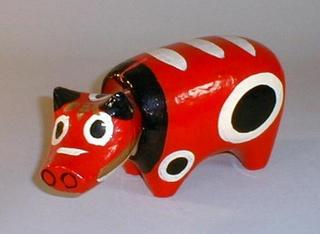
akabeko あかべこ / 赤べこ Aka-Beko


The most important of the Aizu Papermachee Dolls is the
Red Oxen, Akabeko. The red color is auspicious for warding off illnesses. Many papermachee dolls of the Aizu area are called "Red Things" (akamono) for this reason.
Red things are also good luck symbols for childrearing.

. Akamono - red things and smallpox 疱瘡 .


source : Art & Bell by Tora

Clay Bell 土鈴 dorei


Stamp from December 1960

with Akabekko and a golden cow from Morioka
金のべこっこ

..............................................................................................................................................


source : www.dinos.co.jp/p
Aizu Hariko - sakura 会津張り子「さくら」

. sakura さくら / 桜  cherry blossom art motives .


..............................................................................................................................................

. Mingei Kukkii みんげいクッキー Mingei Folk Art Cookies .
会津 笑顔の赤べこプリントクッキー Print Cookie Akabeko

::::::::::::::::::::::::::::::::::::::::::::::::::::::::::::::::::::::::::::::::::::::::::::::::::::: 

quote
Akabeko
is a famous cow amulet in the Aizu region of Japan. Aka means "red" and beko is Aizu dialect for "cow." The akabeko papier-mache cow is a popular souvenir from Fukushima Prefecture. There are a few stories about how the akabeko came to be revered.

According to local folklore, in the year 807 A.D., cows were used to haul materials to construct Enzoji temple 圓蔵寺 in Yanaizu 柳津. When the temple was completed, one particular red cow refused to leave the site. Legend has it that the cow even turned to stone after having given its soul to the Buddha. The townspeople, duly impressed with the cow's loyalty and no doubt its ability to turn itself to stone, made small effigies of the cow, painted them red, and gave them to children as toys. Years later, when a bout of smallpox swept the country, the children who had these akabeko toys didn't get smallpox.

Enzoji holds one of the three famous statues of Kokuzo Bosatsu.
福満虚空蔵尊 Fukuman Kokuzozon
Said to have been carved by Kobo Daishi himself.
After he finished the statue, he trew some wood chips in the river Tadami as offerings. Whow and behold, they turned into the delicious dace fish, nurrishing the people.

. Cow, Ox, Bull and Haiku .

:::::::::::::::::::::::::::::::::::::::::::::::::::::::::::::::::::::::::::::::::::::::::::::::::::::


会津張り子赤べこ
source : 郷土玩具ガイド

::::::::::::::::::::::::::::::::::::::::::::::::::::::::::::::::::::::::::::::::::::::::::::::::::::: 

quote
Mingei: Japan's Enduring Folk Arts
Amaury Saint-Giles
(Heian International, second printing 1984)

"AKA-BEKO literally translates as red calf. It and all the hundreds of thousands that have been made over the past three and a half centuries are all children (calves) to the original reddish cow which worshipped Buddha and His saving grace in the only way she knew how.
A touching tale brings this mingei-hin from the past into the future. A healthful future it is hoped!"


Comment of my Haiku Friend L.:

Does the red cow have the Buddha nature? "Moo!"

::::::::::::::::::::::::::::::::::::::::::::::::::::::::::::::::::::::::::::::::::::::::::::::::::::: 


quote
Aka-beko, a red cow protecting from smallpox (like Daruma)
This whimsical lacquered red papier-mache figure of an ox is known as an “aka-beko” which, literally translated, means red calf or red cow. The head, which is attached by a string, nods up and down and from side to side.

Some 350 years ago, the townspeople constructed a large temple there dedicated to Buddha.

Heavy loads of lumber had to be transported long distances, and one of the oxen used was a large reddish cow. When the building was completed, she refused to leave the site. Shortly thereafter a member of the ruling clan fashioned a small effigy of the devout cow as a child’s toy. Made of lacquered papier-mache, the free swinging head bobs easily with any movement and delights children of all ages. When a great plague of smallpox swept the country, people appealed to Buddha for deliverance.

It was noticed that children who had this toy were not afflicted with the dread disease, and the superstitious local populace began to make similar toys as amulets against illness.
Aka-beko are looked upon as omens of good luck and prosperity and are given as gifts at New Year’s and other auspicious occasions.

. Engimono 縁起物 for good luck


CLICK for more photos

::::::::::::::::::::::::::::::::::::::::::::::::::::::::::::::::::::::::::::::::::::::::::::::::::::: 


. Ko no Su Daruam Dolls 鴻巣達磨 .
..... including - akamono, aka mono 赤もの red things (for good luck)


. donkorogoma どんころ独楽 Donkoro spinning top for gambling .
including akamono ningyo 赤物人形 Akamono dolls
komusoo 虚無僧 Komuso begging monk
Saigyoo 西行 the poet Saigyo .


.......................................................................

Akamono from Fushimi, Kyoto

花もち童女 / 鯛抱き童子 童子「茶坊主/ 伊勢参り姿の童子 /神功皇后 / 狛犬 /虚無僧 / 乳のまし / 天神さん / 大原女

赤物人形について
一文人形ともいわれ14cmから5cmぐらいの小さな安物の伏見人形で、主に子どもの玩具として作られた。西行、天神、狐、娘、童子などの人形があり、昔は、皿秤ではかり、何文といって売られた。 冨士忠は東山区の本町13丁目(JR・京阪「東福寺」の近く)にて太平洋戦争前までは各種人形を大量に生産していたが、戦後、廃業
- reference : h2.dion.ne.jp/~hushimi/akamono -

::::::::::::::::::::::::::::::::::::::::::::::::::::::::::::::::::::::::::::::::::::::::::::::::::::: 


understanding humans -
the red cow wiggles her head
in disbelief


. Fukushima after the BIG earthquake March 11, 2011


:::::::::::::::::::::::::::::::::::::::::::::::::::::::::::::::::::::::::::::::::::::::::::::::::::::::::::::::::::::::::::::::::::::::::::::::::::::::::::::::::::::::::::

. ushi 丑 ox, oxen (cow, bull, calf) .


. Daruma Dolls from Aizu


[ . BACK to WORLDKIGO . TOP . ]
[ . BACK to DARUMA MUSEUM TOP . ]
- #akabeko #akamono #redthings -
::::::::::::::::::::::::::::::::::::::::::::::::::::::::::::::::::::::::::::::::::::::::::::::::::::::::::::::::::::::::::::::::::::::::::::::::::::::::::::::::::::::::::: 

5/11/2011

. Kyoto Folk Toys

[ . BACK to DARUMA MUSEUM TOP . ]
::::::::::::::::::::::::::::::::::::::::::::::::::::::::::::::::::::::::::::::::::::::::::::::::::::::::::::::::::::::::::::::::::::::::::::::::::::::::::::::::::::::::::: 
Kyoto Folk Art - 京都(府)

Kyoto, (京都 Kyōto, Kyooto, Kioto)

The old capital, famous for its many temples and shrines.

to be updated
::::::::::::::::::::::::::::::::::::::::::::::::::::::::::::::::::::::::::::::::::::::::::::::::::::::::::::::::::::::::::::::::::::::::::::::::::::::::::::::::::::::::::: 


. Fushimi ningyoo 伏見人形 clay dolls from Fushimi .
Southern Kyoto (Rakunan 落南)
Choroken ちょろけん / チヨロケン坊主 / ちよろけん / 長老舞
Seven Fushimi dolls in the form of Hotei 布袋
and
Fushimi Hariko 伏見張子 papermachee dolls
Fukakusa-yaki 深草焼 Clay Dolls from Fukakusa

. umanori kitsune 馬乗り狐 inari fox riding a horse .
The horse as the messenger of the fox-deity is used by the god from the Inari Fox Mountain (Inariyama 稲荷山) to inspect the mountains and fields.


. Fushimi Inari Taisha 伏見稲荷大社 .

. Inari Jinja 稲荷神社 Fox Shrines and their amulets .


manekineko 招き猫親子 beckoning cat with children
by 六代目丹嘉 potter Tanka 6th generation

........................................................................................................................................................

. Kyoto no dorei 京都の土鈴 clay bells from Kyoto .
From the many Shrines and Temples of Kyoto !

. Kyo sashimono 京指物 Kyoto joinery and furniture .

........................................................................................................................................................


. Kyoto Clay Dolls 京都土人形 Kyoto tsuchi ningyoo .
. . . . . and
Kiyomizu mame ningyoo 清水豆人形 small dolls from Kiyomizu
Yamazaki no inoshishi 山崎の猪 wild boar from Yamazaki, 離宮八幡宮


. Hooshakuji no uchide to kozuchi 宝積寺の打出と小槌 lucky mallet .
temple Hoshaku-Ji , auspicious mallet


kimekomi ningyoo 木目込人形 Kimekomi dolls
made from wood and cloth
. . . CLICK here for Photos !
Kimekomi Ningyou were created by Takahashi Tadashige, a priest at a Kyoto shrine, in the middle of the Edo period (1600-1868).
He made a small wooden doll that he had carved from scraps of willow which were left over from boxes used in a festival at Kamigamo shrine in Kyoto. Then using remnants of fabric from his priest's clothing, he dressed the doll by inserting the ends of the fabric into the wooden torso. At first, they were called Kamigamo dolls (Kamigamo ningyoo 上賀茂人形) after the place where they were made.
Later, however, they were called Kimekomi dolls because of the way that the fabric was inserted into slits in the wood, and the name stuck. "Ki" means wood, "Mekomi" means the technique that is used to tuck the fabric into the grooves on the doll's body. Subsequently, they were brought to Edo (Tokyo) where the craft became established.
source : dento-tokyo.metro.tokyo.lg.jp...

. kimekomi ningyoo 木目込人形 Kimekomi dolls .
..... 江戸木目込人形 kimekomi dolls from Edo


. tsuchibato 土鳩 clay pidgeon .
from Miyake Hachiman shrine
Miyake Hachiman tsuchibue 三宅八幡土笛 clay whistle


Senbon shakado 千本釈迦堂おかめ面 mask of O-Kame
. Senbon Shakado Hall, Temple Daiho-Onji 大報恩寺


. Somin Shorai and Sominsai Festival 蘇民祭 .
and the Gion Festival


Kitano Tenmangu kuro ushi 北野天満宮黒牛 * black cow
. Tenmangu Shrines and Sugawara Michizane 菅原道真


Gion matsuri no yamaboko 祇園祭の山鉾 floats from the Gion festival
. WKD : Gion Festival (Gion matsuri 祇園祭り)


. Gosho ningyoo 御所人形 Gosho dolls from the Imperial Palace .


Mibudera men mamori 壬生寺面守り maks amulets from temple Mibudera
. Temple Mibudera and Mibu Kyogen 壬生狂言


. Kesoobumi 懸想文 kesobumi love letter .
special amulet from shrine Suga Jinja 須賀神社


. Kyoowagasa 京和傘 Kyo-Wagasa paper umbralla .

.......................................................................................................................................................
Rakuchuu 洛中 Central Kyoto


Daruma dorei だるま土鈴 clay bell with Daruma
Daruma gofu だるま護符 talisman with Daruma
. Daruma Temple Horin-Ji 法輪寺 .

.......................................................................

. manju kui ningyo 饅頭食い人形 / 饅頭喰い boy eating manju

- okame fuku-men おかめ福面 auspicious mask of O-Kame -


- men omamori 面お守り mask talismans and amulets -


........................................................................................................................................................
Rakuhoku 洛北 Northern Kyoto

. Mount Kurama 鞍馬山 Kurama Yama .
and its festivals
- - - - - including
Kurama karakuri gangu 鞍馬のからくり玩具 mechanical dolls from Kurama


source : folkcraft.samurai47.com
Kuramadera no koi ningyoo 鞍馬寺 鯉の人形 Kurama carp dolls
carp dolls from Temple Kuramadera
They look like carp streamers, but are rather small.


Kurama yama no a-un-tora 鞍馬山のあうん虎 tiger amulets


Kurama kubi ningyoo くらま首人形 head dolls
with the heros of the Kurama legends

. Kubi ningyoo 首人形 head dolls INFO .


Goma sen, gomasen 護摩扇 ritual fan from Kurama
. Tengu uchiwa handfan from Kurama 天狗のうちわ .


More about the legends and heroes of this region:
. Mount Kuramayama 鞍馬山 - Temple Kuramadera 鞍馬寺 .

.......................................................................


ushiguruma 牛車 cart with oxen
from 北野神社 Kitano Jinja


onimen, oni men 鬼面 demon masks
from 梨木神社 Nashinoki Jijna


.......................................................................

. Heian Jinguu 平安神宮 Heian Jingu Shrine .
Sakyoo 左京 Sakyo
..... 降魔扇 fan
..... 福虎 lucky tiger


Famous places in Rakuhoku - too many to list here.
京都観光研究所
- reference : kyotokk.com/enkouzi -

Rakuhoku Area
The magnificent and noble Shugaku-in Imperial Villa located in the ancient capital. Enjoy the peaceful tranquility of Kyoto in the Rakuhoku area. Also enjoy Takano, a fashionable street in a historic site along the river. And Enko-ji Temple, built as a school by the first shogun of Tokugawa.
- source : jnto.go.jp/eng -


. Hiyoshi Taisha 日吉大社 Grand Hiyoshi Shrine .
shin en omamori (Masaru) 神猿お守り まさる talisman of the sacred monkey
saru no dorei  猿の土鈴 monkey clay bells
yubizaru 指猿 finger monkey

........................................................................................................................................................
Rakusei 洛西 Western Kyoto


hariko no tora 張り子の虎 papermachee tiger and Daruma
from 入船堂 Irifune-Do


牛祭り面 maks from the Ox festival
from 広隆寺 Temple Koryu-Ji


. Teri-furi ningyoo 照り降り人形 "weather forecasting dolls" .
晴雨人形


ryuutoobune 竜頭船 boat with dragon head


ningyoo suzuri 人形硯 ink stone in doll form
. . . CLICK here for Photos !


. Saga men 嵯峨面 masks from Saga .
Arashiyama 嵐山, Shakado


. Saga ningyoo 嵯峨人形 Saga Dolls .

a kind of Kimekomi ningyo made in Saga near Kyoto.
The themes are courtesans, the merchants and people of Kyoto and religious topics.
hadaka Saga 裸嵯峨 naked Saga dolls
They often wear a long bib (haragake 腹掛け).

Edo Saga ningyoo 江戸嵯峨人形 a newer kind, made in Edo

There are two theories to the original creators of Saga dolls:
They were created by Noh mask carvers. The mask carvers were skilled artisans who were very familiar with the use of sabi (gesso).
Buddhist monks or temple craftsmen created them. These artisans were skilled carvers who sculpted Buddhist figures.
MORE
source : lotzdollpages.com

........................................................................................................................................................
Rakutoo 洛東 Rakuto, Eastern Kyoto

Kyoo ningyoo 京人形 Dolls from Kyoto .. see above


ミニチュアの鉾と山 miniature festival floats

Somin shoorai 蘇民将来

suribachi 摺り鉢 mortar (to grind food)

gyooretsu ningyoo 行列人形 dolls of a procession

mokaribune no ema 藻刈り船の絵馬
votive tablet with boat for harvesting seaweed

宝恵駕籠

Sumiyoshi odori 住吉踊り Sumiyoshi dance


ukebune 有卦船 auspicious boat
. . . CLICK here for Photos !


hyootangata no ema 瓢箪形の絵馬 votive tablet in form of a gourd


*** goshinchoo, goshin choo, goshindori 御神烏 * sacred bird

........................................................................................................................................................
Tango 丹後

. Tango chirimen 丹後縮緬 silk crepe .

........................................................................................................................................................
Uji 宇治

. cha no ki ningyoo, chanoki 茶の木人形 dolls from tea trees .
Uji ningyoo 宇治人形 dolls from Uji


........................................................................................................................................................
Yamashina 山科

. Yamashina-e 山科絵 Yamashina paintings
similar to Otsu Paintings (大津絵)


. Bishamonten no tora 毘沙門天の虎 tiger from Bishamonten.
tora no men 虎面 tiger masks


........................................................................................................................................................
Yawata town 八幡市


Yawata no kanzashi 八幡のかんざし hairpin from Yawata (Yahata)
They were sold during the New Year season along the road to 石清水八幡宮 Iwashimizu Hachimangu (男山の八幡宮 Otokoyama no Hachimangu). The shrine was located on Mount Otokoyama.
Decorations were put on a thin bamboo stick, like ears of rice, a white arrow, a bamboo ladle, a dove or crane and other items.
. 石清水八幡宮 Iwashimizu Hachimangu .

- from the former 男山八幡宮 Otokoyama Hachimangu
many items with a
hato 鳩 dove
tsuchi hato 土鳩 clay dove, mame hato 豆鳩 very small dove, hatobue 鳩笛 dove whistle。
kamigoi, kami koi 紙鯉 paper carps


:::::::::::::::::::::::::::::::::::::::::::::::::::::::::::::::::::::::::::::::::::::::::::::::::::::::::::::::::::::::::::::::::::::::::::::::::::::::::::::::::::::::::::

. Reference and Photos . Gangu Guide .
. Reference and Photos . Yama no Ie . Folk Toys .

.......................................................................

Kyoto City Web provides a lot of information about special items (59 as of February 2016).
- Here are just a few:
Yane-kanban (Roof signs) / 'Mushiko' windows (Mushiko-mado) / Float covers (Doukake) /Ningyo-dzuka (Ningyozuka, A Doll Mound) / Bengara red-ocher wall / Oni-gawara ridge-end tiles / Hitogata doll / Kakutou (The Eaves' Lantern) / Takarabune Treasure Ship / Tsukubai / Chibyo 乳鋲 metal ornaments / Kawara-bei fence /
- source : - city.kyoto.lg.jp/koho/eng -

.......................................................................

Specialities from Kyoto 老舗モール
source : www.shinise.ne.jp


THE KYOTO
A guide to well–established shops with over 100 years of history
Specially selected Kyoto Souvenirs & Gourmet Guide
- source : thekyoto.kyoto...-

.......................................................................


伏見人形を版画・版画絵本で紹介した人たち
source : hushimi/8kai

.......................................................................


To make these items yourself at the Handicraft Center:
Kyoto Damascene / Woodblock Printing / Cloisonne 【Silver】or【Copper】 / Claybell doll / Folding fan painting / Shichimi Spices Blending / Japanese Incense Bag Nioibukuro / Spinning Top Koma
- source : kyoto handicraft center.com -
21 Shougoin Entomi-cho, Sakyo-ku, Kyoto 606-8323,

.......................................................................

Kyoto Museum of Traditional Crafts (Fureaikan)

inside the Miyako Messe Convention Center in Okazaki and
Kyoto Handicraft Center
byobu folding screens
chochin paper lanterns
kyo-sensu (Kyoto folding fan)
Lacquerware / Incense / Masks /Fine ceramics
- - - - - and much more
- source : japanvisitor.com/kyoto-

.......................................................................

Kyo Kanoko  京鹿子 Kyo dyed textiles ( 京鹿の子絞 Kyo kanoko shibori)-  
A tiny pointed tie dye, regarded as the highest class tie dye
- source : kimono.or.jp/dictionary/eng... -
- source : kogeijapan.com/locale... -


:::::::::::::::::::::::::::::::::::::::::::::::::::::::::::::::::::::::::::::::::::::::::::::::::::::::::::::::::::::::::::::::::::::::::::::::::::::::::::::::::::::::::::

. WASHOKU . Regional Dishes from Kyoto

. KYOTO Sweets .


MORE
. Kyoto Folk Toys - this BLOG .


. Japan after the BIG earthquake March 11, 2011


[ . BACK to WORLDKIGO . TOP . ]
[ . BACK to DARUMA MUSEUM TOP . ]
- #kyoto #kioto -
:::::::::::::::::::::::::::::::::::::::::::::::::::::::::::::::::::::::::::::::::::::::::::::::::::::::::::::::::::::::::::::::::::::::::::::::::::::::::::::::::::::::::::